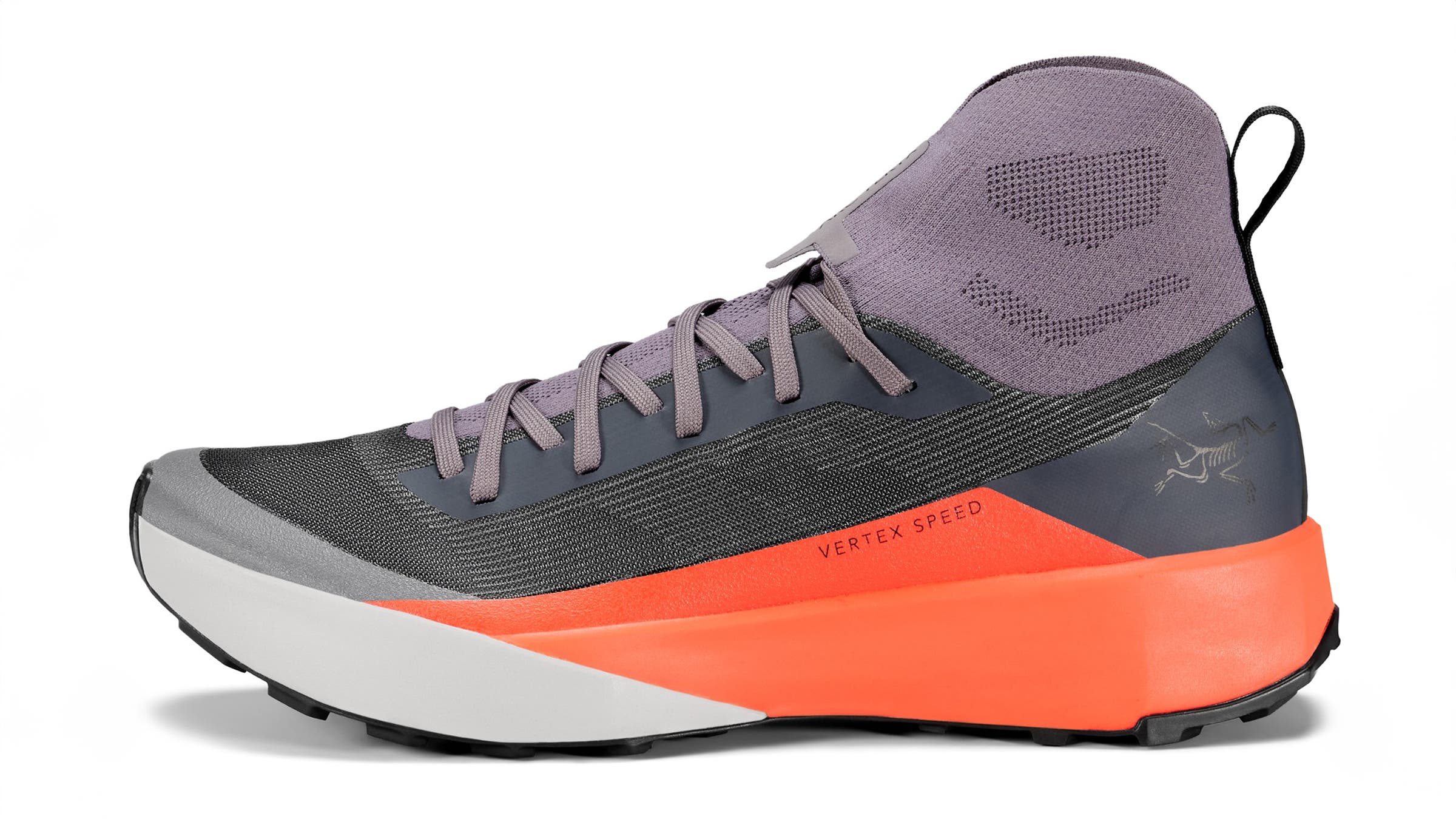
The North Face Offtrail Ultra Hands-On Review: The Scrambling Shoe Runners Have Been Waiting For?
I’ve been both a runner and rock climber for over 30 years. It wasn’t until I moved to California that I started combining the two. Trails in the Eastern Sierras took on a whole new purpose. They weren’t just for running, but also served as quick ways to reach mountainous climbing walls and peaks. In one outing, I could experience everything from dancing over smooth singletrack to hopping over talus fields to fun, exposed scrambling. I got addicted immediately. It tapped all my favorite things about running and climbing. But it also demanded a very specific type of shoe, one that’s both runnable and good at safely scrambling over rock.
That shoe has been hard to find. I either had to opt for a trail running shoe and sacrifice climbing ability, or choose an approach shoe and sacrifice runnability. A lot of runners who are into scrambling end up resoling their shoes with various rubbers and lugs depending on the conditions. As more runners like me have gotten into steeper terrain, demand has grown for a run/approach hybrid.
But it’s still a niche shoe, and most brands haven’t put much effort into building one. To do it well, a brand needs to know both running and technical mountain climbing. The North Face fits that bill and has created the new Offtrail Ultra to combine the capabilities needed for both running and scrambling in one shoe. I tested it in the rugged Swiss Alps around Chamonix, France, to see if it’s up to the task.
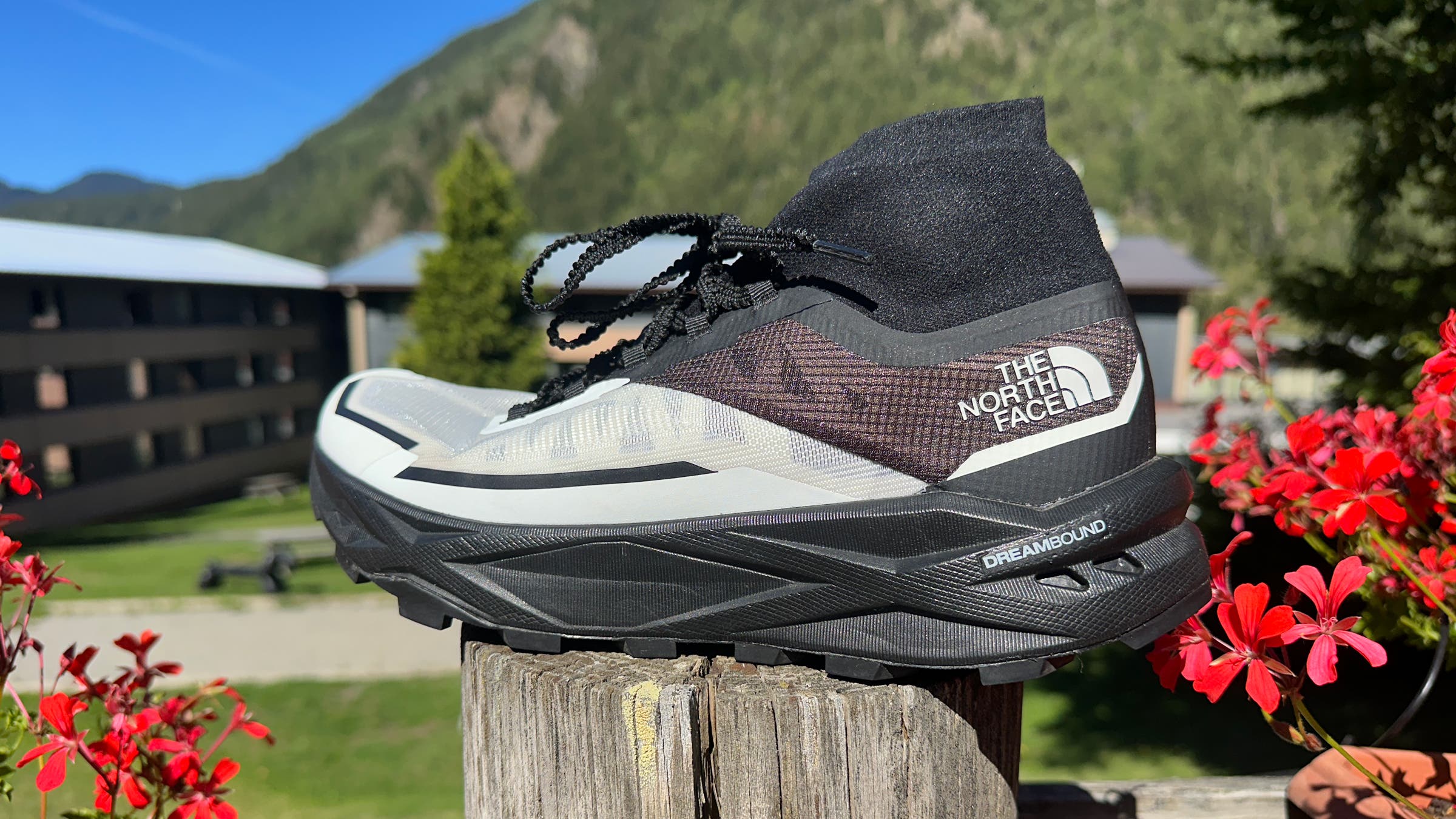
The North Face Offtrail Ultra At-a-Glance
Weight: 9.3 oz (men’s); 8.0 oz (women’s)
Stack Height: 29-23 mm (insole & midsole only)
Heel-to-toe Drop: 6 mm
Lugs: 5 mm
Pros and Cons
+ Exceptional ground feel and sensory feedback
+ Wide lugs put more rubber on the surface, making it grippier
+ Excellent technical descending ability
– Runs wide and high-volume
– Not suitable for high-difficulty climbs
The North Face Offtrail Ultra Impressions
I received my sample pair of The North Face Offtrail Ultra early in the summer and began testing it on the trails around Santa Barbara, California. But, knowing that I was headed to Chamonix, France, for UTMB in August, I held off on writing this review so I could assess its performance on some of the most suitable testing grounds in the world.
Over the week in Chamonix, I got the opportunity to put the Offtrail Ultra through its paces in just about every type of terrain, from hard-pack singletrack to fast, rocky descents, and even a high alpine multi-pitch 5.9 arête.

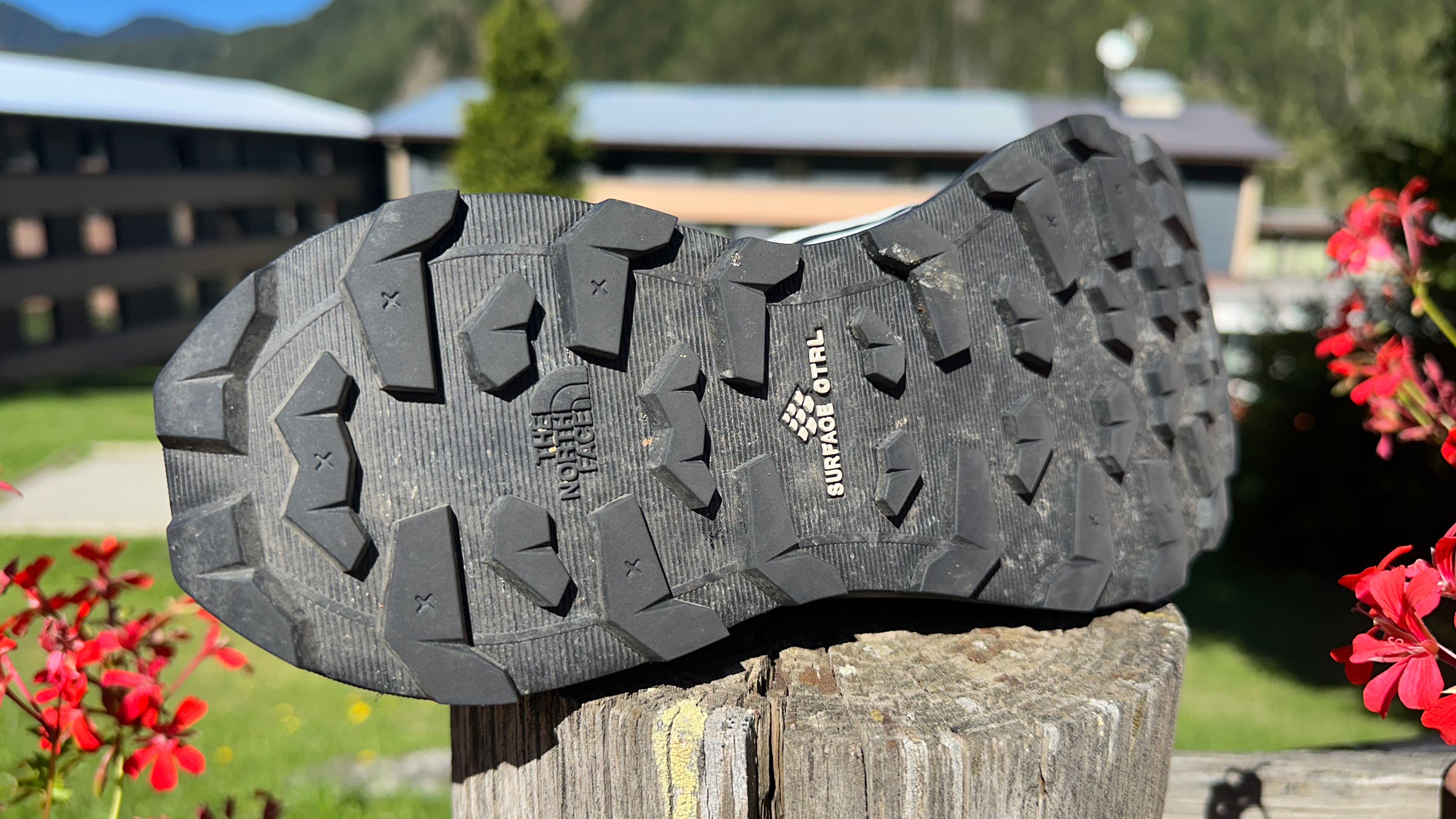
The Offtrail Ultra is a brand new shoe for The North Face, sitting alongside the Vectiv (speed and racing) and Altamesa (comfort and gravel) series. The midsole is dual-density nitrogen-infused TPU: a softer density foam in the center is surrounded by a thin, firmer layer on the outside to add stability and durability. The 29–23 mm stack is modest compared to most of today’s trail running shoes. The outsole is a proprietary rubber with 5-mm lugs and a flat climbing zone under the forefoot.
When I first got the shoe, I was surprised by how pliable and airy the upper was, despite its tough, woven material with an internal cage attached to the laces for midfoot security. A soft gaiter extends just above the ankle to keep debris out.
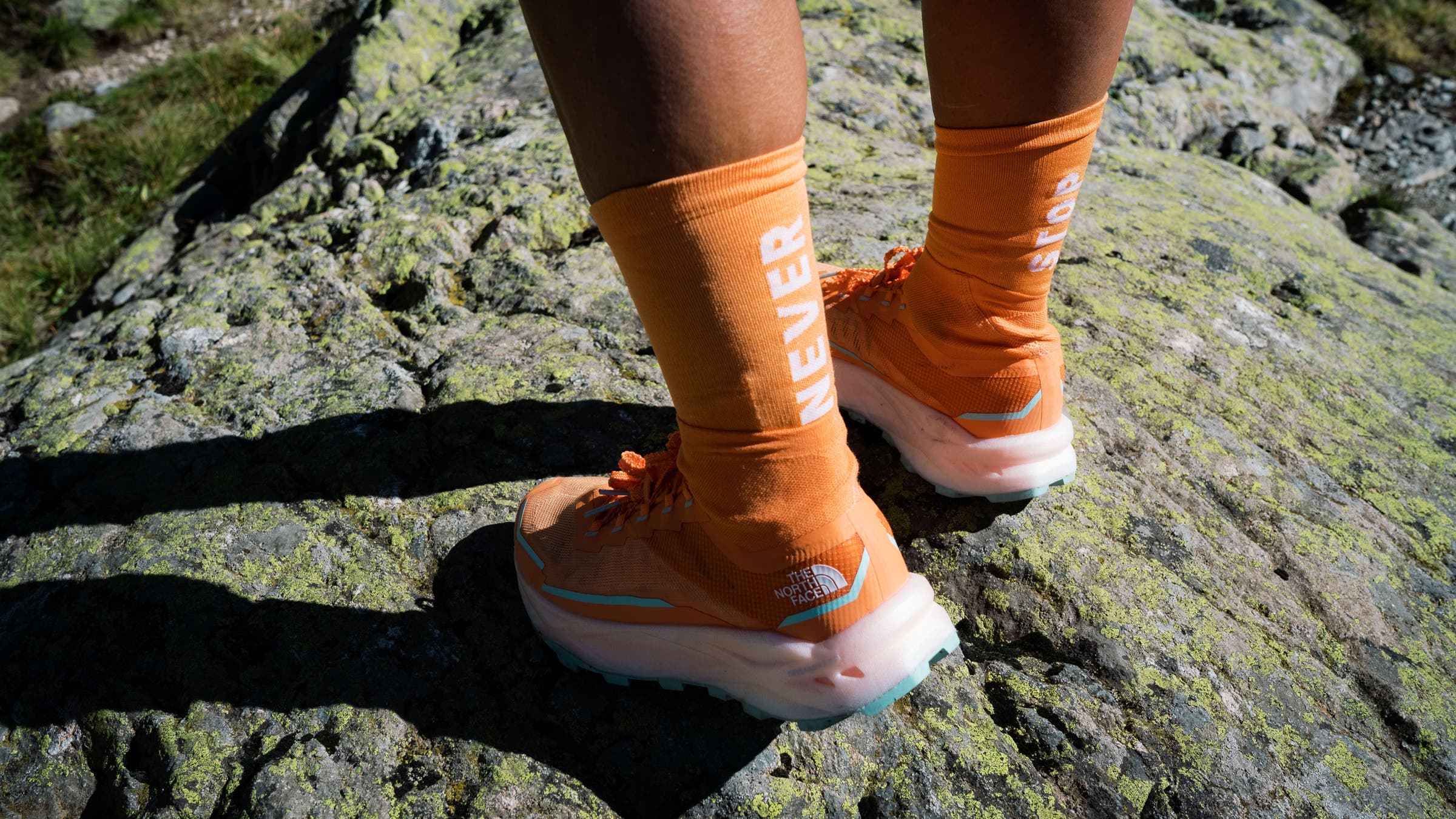
When it comes to technical running, I’m not very strong downhill, making me very cautious. My ideal shoe is low profile, sensitive, and tight-fitting. The Offtrail Ultra nailed two of my three criteria, falling down only in the fit.
I felt more confident during rocky descents than in most of the shoes I’ve tested, and was surprised by how quickly I could descend. Sitting closer to the ground allowed exceptional sensory feedback. Being able to feel the trail let me trust my instincts and let go with confidence. The midsole molded to the uneven contours of the rocky trail instead of deflecting off them, smoothly centering my stride for a stable stance and push-off.
The shoe performed even better running uphill, regardless of surface. I prefer a bit of forefoot flex during climbs so I can engage my calf. Without any plate, the forefoot flexed exactly where I needed it to. On the flats, the shoe ripped. The light weight made the shoe feel nimble, fast, and easy to maneuver and turnover quickly. The fast-rebounding TPU midsole is responsive and fun.
To test the Offtrail Ultra’s scrambling prowess, I took it on a 10K run that involved a lot of rock hopping on gneiss and schist. The grip was fantastic. The lugs are wider than most, giving you more surface area on the rock.
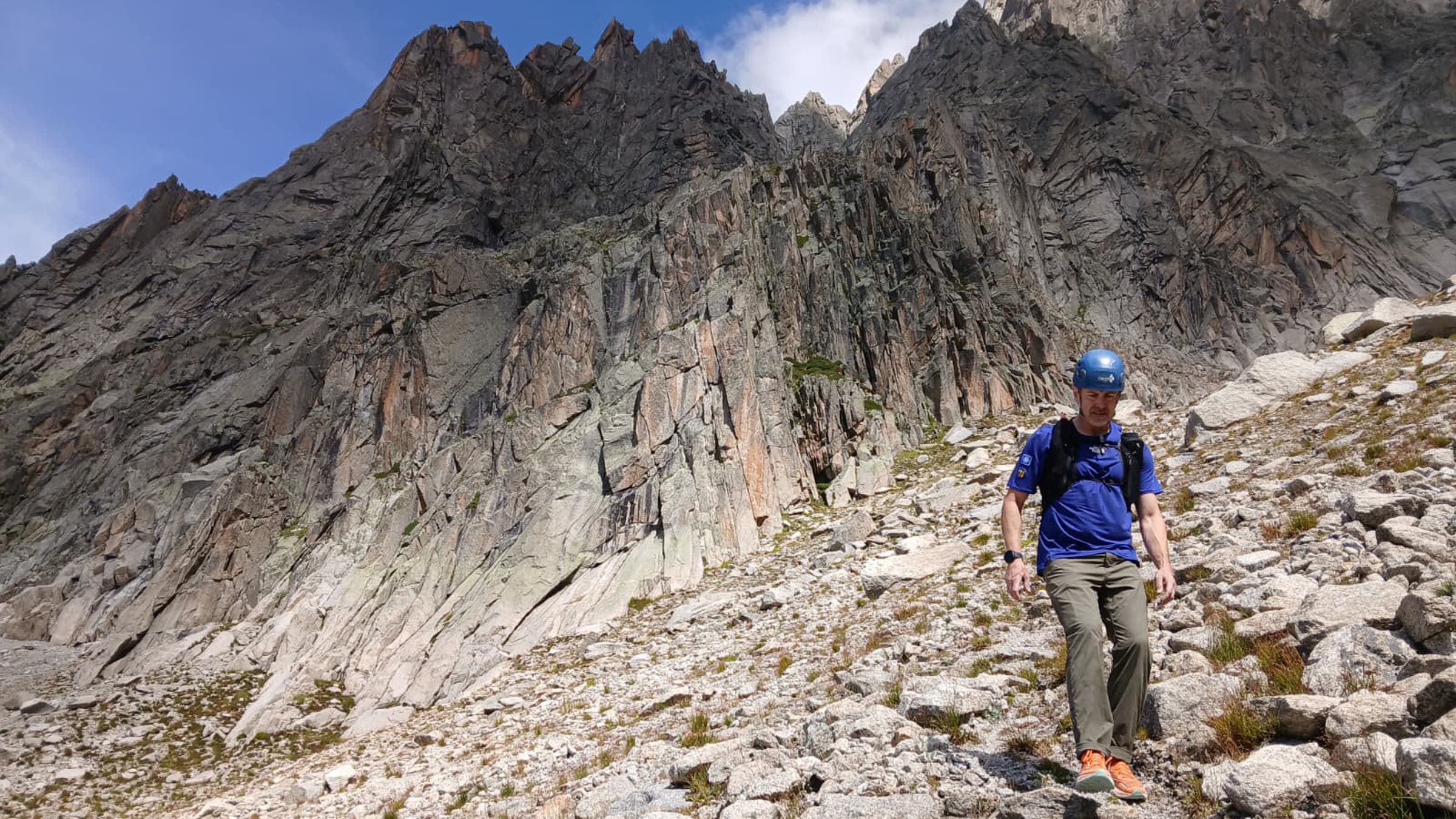
Later in the week, I climbed the Arête des Papillons, an 800-foot, 5.9 granite arête, using the Offtrail Ultra in place of my approach shoes. During the 10K run up to the base, the shoe gripped and supported me well as I navigated through the talus fields. However, once I reached high 4th- and low 5th-class climbing, edging became a real issue. The outsole’s climbing zone helped it edge better than an average trail shoe because there weren’t lugs under my toes, but when I started to slip on the slick granite, I quickly switched to my climbing shoes, whereas in dedicated approach shoes I would have easily kept going. Based on my testing so far, I would reserve the Offtrail Ultras for 3rd-class and below-difficulty climbs, particularly those with long approach runs where the shoe’s strength can shine during both activities.
The one place the Offtrail Ultra fell short was fit, specifically width and volume. Our testing team agreed that the midfoot was too generous to provide a secure hold, with the exception of one wide-footed tester who praised the fit as a rarity. I’m a solid men’s 8.5 with a medium-width foot, and I struggled to find the secure, tight fit I like in technical shoes. I did try a half size down; it fit much better. I would recommend sizing down unless the length becomes an issue. Even those who had trouble with the wide fit, however, gave the Offtrail Ultra surprisingly high marks for running performance well, reflecting the remarkable underfoot feel.
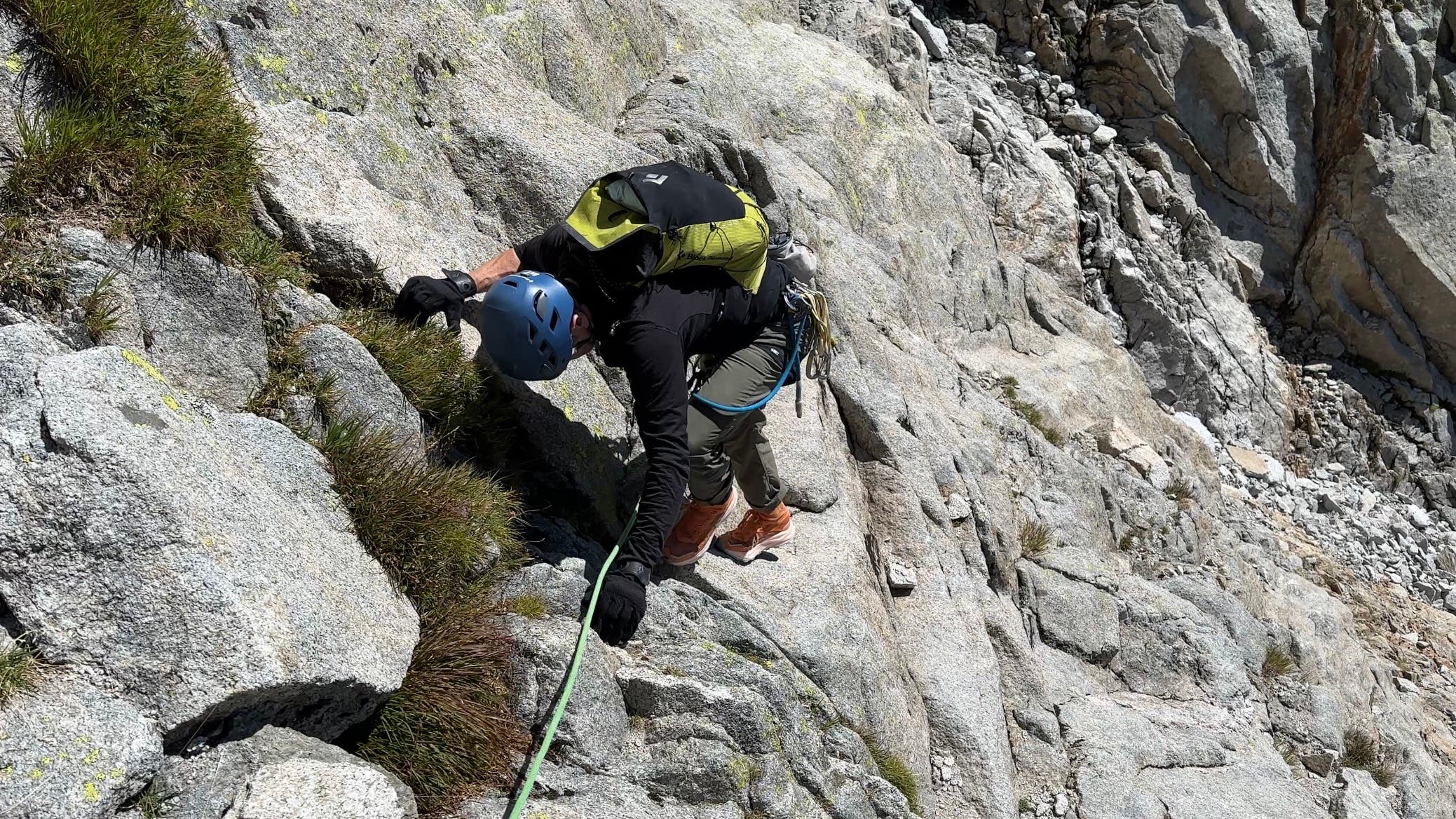
The North Face Offtrail Ultra: Who It’s For
Shoes designed for both highly technical running and scrambling occupy a narrow niche, as do the athletes who require such a specialized tool. The North Face Offtrail Ultra fills that niche well, but has some limitations.
I wouldn’t recommend this for beginner trail runners or runners who stick to established trails. The Offtrail Ultra shines once the trail stops and cairns and route-picking intuition take over. It best suits runners who prefer a lower stack with strong ground sensitivity and whose scrambling stays on easy-to-moderate climbs.
As for the fit: every rock climbing shoe fits differently, and climbers know it’s important to find one that holds your foot securely and comfortably. The same holds true for running shoes, particularly for a hybrid like The North Face Ultra. If you have wide feet, this shoe is a great option. If your feet are narrow and low volume, however, I’d probably pass. For everyone in between, going a half size down should do the trick.
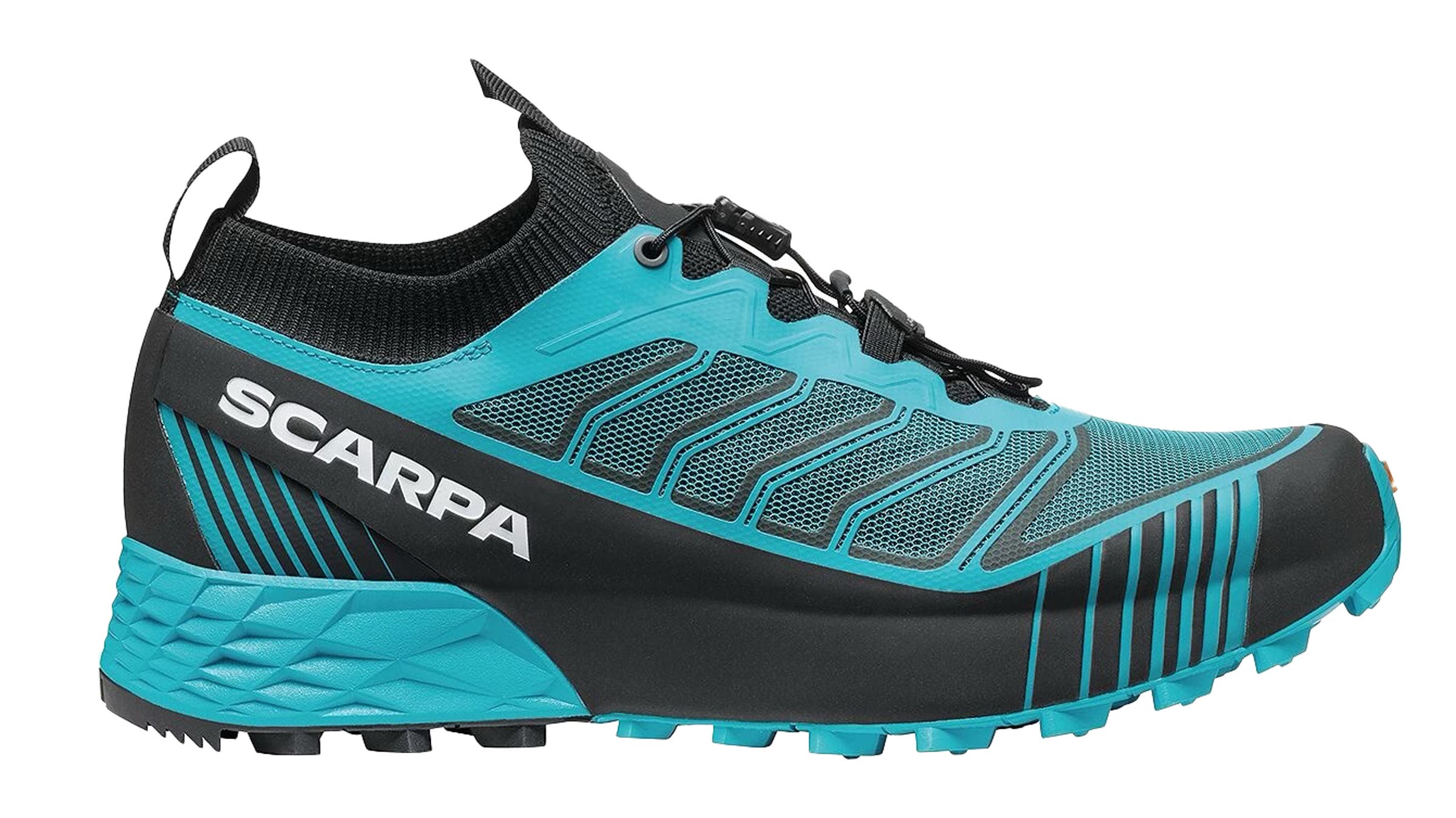
Scarpa Ribelle Run 2